Hey guys! I’m starting a new series basically introducing different techniques from Traditional Chinese Medicine, and the first topic is cupping!
What is cupping?
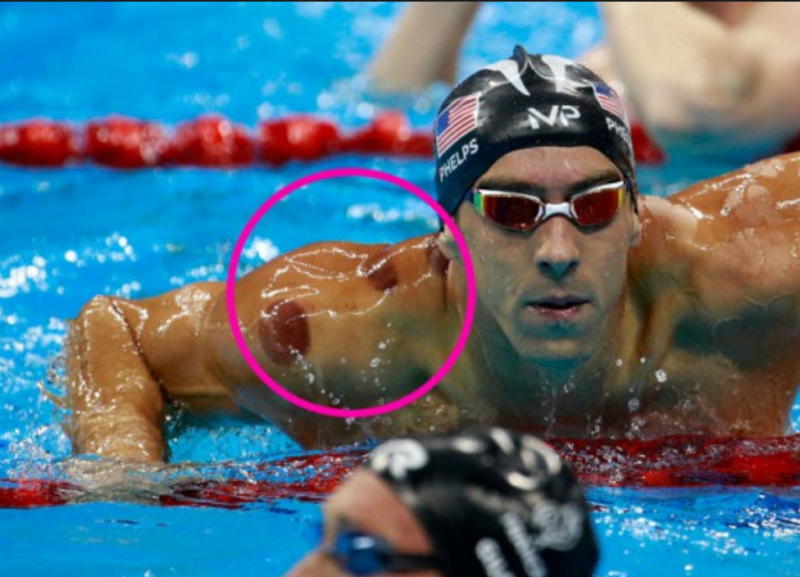
Have you ever noticed athletes at the Olympics with dark, circular, bruise-like marks on their bodies? Those marks may be from cupping, a traditional therapy used in Chinese medicine. Cupping involves placing special cups, usually made of glass or plastic, on the skin and creating suction for several minutes. It is often used as a complementary therapy to help relieve muscle tension and soreness, although scientific evidence for its benefits varies. These include:
- back and neck pain
- skin diseases such as acne and hives
- lowering cholesterol
- migraines
- knee arthritis
- improving immune function.
There are different forms of cupping, mainly:
- Dry cupping – In dry cupping, the cups create suction using a small pump or heat (from fire), and stay there for five to fifteen minutes.
- Sliding (or dynamic) cupping – In this form, it uses the same principle as dry cupping except the practitioner applies lotion or oil to the area of cupping and glides the cup across the skin.
- Wet cupping – Similar to dry cupping except after the first suction is used, the practitioner makes a tiny, shallow cut on skin of the point of suction then suctions once more to draw out a small amount of blood.
Does it hurt?
Cupping performed by a trained, qualified practitioner should not be significantly painful, though some pressure or tightness may be felt. Depending on the individual and the intensity of treatment, temporary bruising (known as ecchymosis), swelling, or soreness may occur. The circular marks left by cupping typically fade within several days to about a week.
Is Cupping Therapy Right for You?
Although cupping is generally considered safe when performed by a qualified practitioner, it may not be suitable for everyone. People with serious liver, kidney, or heart conditions, those with a pacemaker, and individuals with hemophilia, anemia, other blood disorders, or those taking blood-thinning medications should consult a healthcare professional before considering cupping.
During pregnancy, cupping should be approached with caution, particularly around the abdomen and lower back.
Cupping should also be avoided over open wounds or areas where an infection is suspected. When in doubt, consult a healthcare professional to determine whether cupping is appropriate for you.
Let me know if you have any further questions!


Leave a Reply